May 6, 2026
Maintaining an automobile's paint is not just about aesthetics; it's about preserving its integrity and value. An expert auto detailer has developed specialized techniques to ensure that the paint remains intact despite various environmental and mechanical threats. By understanding the nuances of paint protection, both vehicle enthusiasts and everyday car owners can appreciate the work that goes into safeguarding the exterior of their vehicles.
Paint protection is a crucial step in vehicle maintenance that often goes overlooked until visible damage occurs. Detailers possess the knowledge and tools to extend the life of a car's paint, ultimately influencing its overall lifespan and resale value. As technology evolves, so do the methods for protecting paint, making professional detailing services more relevant than ever.
With the rise of eco-friendly and advanced protective products, the choices available to consumers are more varied than before. This diversity in options means that a tailored approach to paint protection is increasingly viable. From ceramic coatings to traditional wax, expert detailers understand which products suit each situation best, helping both the vehicle and its owner reap the maximum benefits.
The Composition of Automotive Paint
Firstly, automotive paint is a complex system comprising multiple layers, each with its specific function. Typically, it begins with a primer designed to create a smooth surface and promote adhesion of the following layers. The base coat provides the actual color, which is then protected by a clear coat that offers shine and a defensive barrier against harmful elements. Understanding these layers helps in appreciating the meticulous care needed to maintain them.
Each layer in automotive paint serves not merely an aesthetic role but also a protective one, safeguarding the vehicle's body from environmental damage. Delicate and prone to wearing over time, these layers require consistent protection and maintenance to preserve their integrity. Hence, detailers focus particularly on clear coat protection, as it shields the color beneath from ultraviolet rays, oxidation, and other potential threats.
The process of layering paint in this manner provides an efficient means of protection, though it introduces complexities in maintenance. The challenge for an auto detailer lies in ensuring that these layers remain untarnished, without compromising the manufacturer's intended appearance. By focusing on protective measures specifically targeting the clear coat, detailers effectively prolong the life and appearance of a vehicle's paint.
Common Types of Auto Paint
The world of automotive paint encompasses several types, each with unique properties suitable for different applications. Enamel paints, known for their durability and gloss, provide a hard finish, making them a popular choice among manufacturers and aftermarket applications. Lacquer paint, while less durable, is easier to apply and offers an attractive gloss that has gained favor in custom and restoration work. However, it often requires more maintenance to sustain its luster.
In contrast, urethane paints are appreciated for their exceptional lifespan and resistance to chipping and fading. They lie somewhere between enamel and lacquer, offering a balanced mix of durability and finish quality. Urethane's hard nature makes it a favorable option for both OEMs and custom jobs, though the paint's application often requires professional expertise to avoid imperfections.
Choosing the right paint type with an auto detailer is a significant decision driven by factors such as usage conditions, environmental exposure, and personal preference. Detailers often guide clients in understanding how each paint type interacts with different protection products. As auto body repair shops often average three employees, according to IBISWorld, the insight these professionals bring is crucial in delivering results that meet client expectations and vehicle demands.
The Significance of Paint Protection
Protecting auto paint is more than an investment in aesthetics; it's a necessary measure to preserve the overall value and longevity of the vehicle. The clear coat acts as the frontline defense against elements like UV rays, rain, snow, and road debris, all of which can progressively wear on the paint surface. Ensuring this layer remains intact can mitigate the need for costly repaint jobs and repairs.
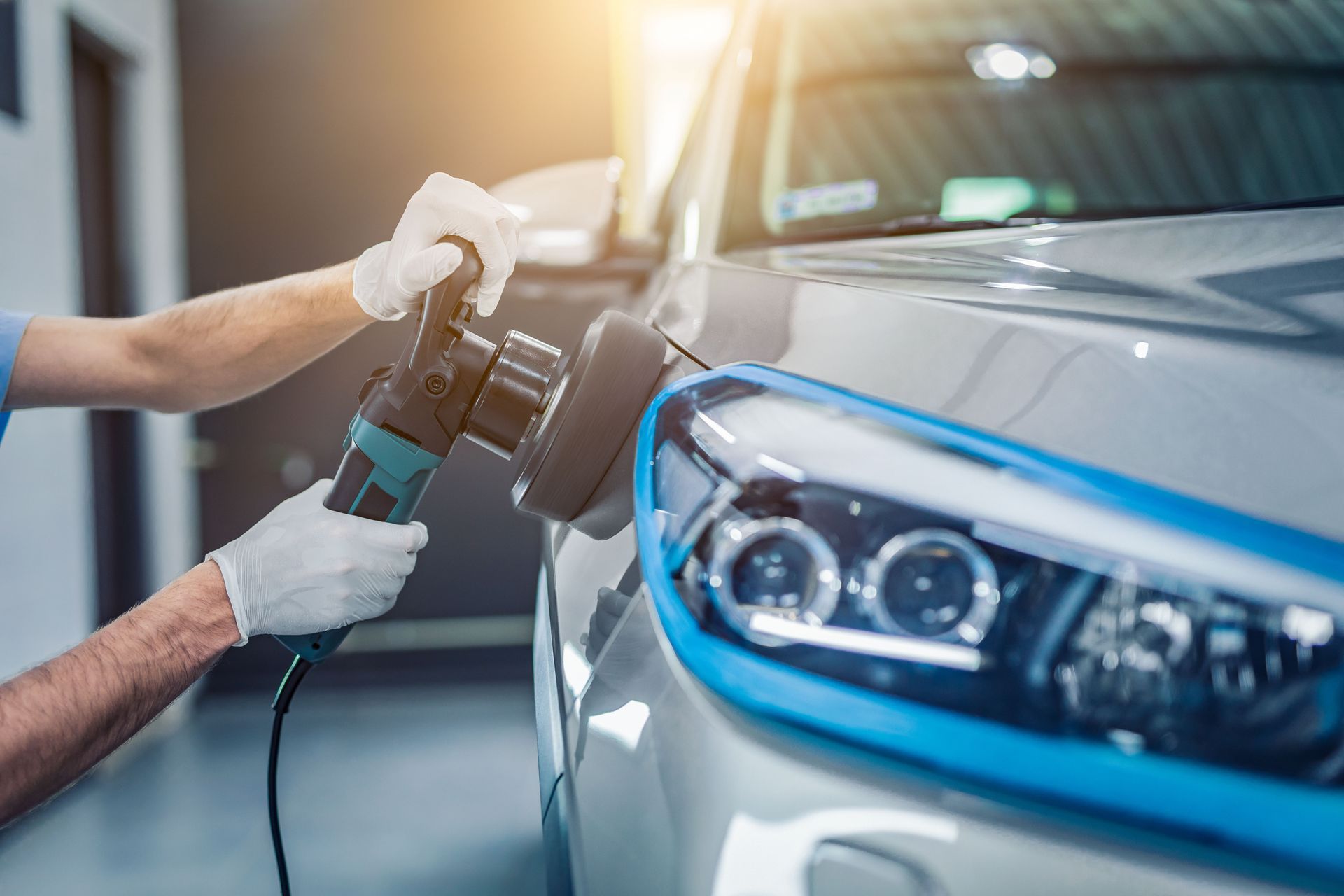
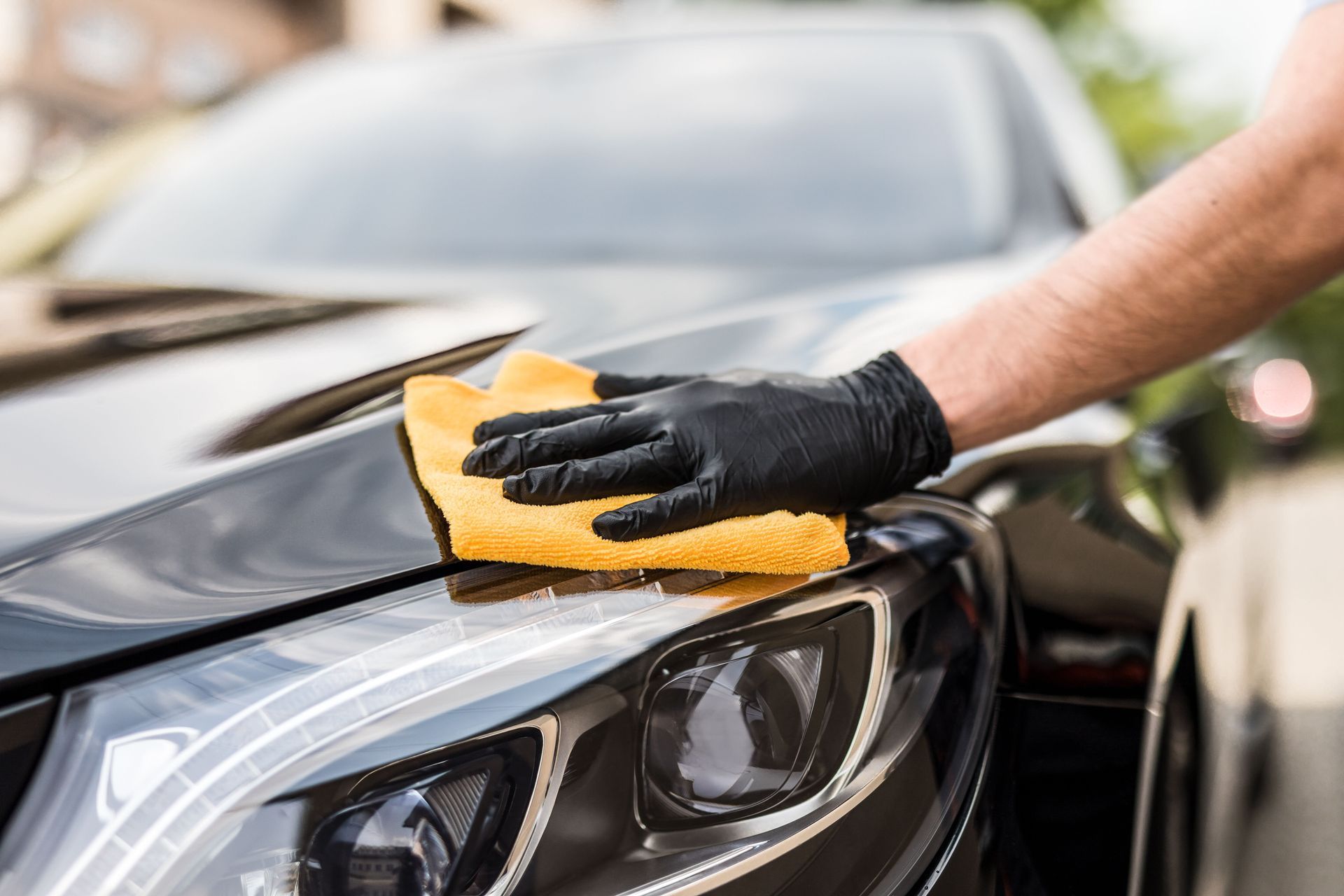
Professional detailers employ a variety of products designed to fortify this defensive layer. From traditional waxes, which provide a temporary protective layer, to modern ceramic coatings that offer a semi-permanent solution, the options are plentiful. The right choice of protection can keep the vehicle's paint looking fresh and enhance its resistance against environmental insults.
Paint protection with an auto detailer directly impacts resale value, as a well-maintained exterior signifies to potential buyers the care the owner has invested in the vehicle. In competitive markets, this can make a significant difference in resale negotiations. For enthusiasts and practical owners alike, investing in the right paint protection strategy ensures their vehicle meets both aesthetic expectations and functional requirements over time.
Factors Affecting Paint Durability
A host of factors contribute to the degradation of auto paint over time, including both environmental and mechanical influences. Sunlight exposure can cause fading and oxidation, while acid rain, bird droppings, and tree sap can chemically interact with the clear coat, accelerating deterioration. Regular exposure to road debris also contributes to paint chips and scratches, compromising the protective layer's integrity.
Mechanical damage originating from improper washing techniques or contact with abrasive materials introduces scratch marks and abrasions to the paint surface. These imperfections, if left unattended, allow further penetration of harm-inducing agents into deeper layers. Expert detailers emphasize the importance of proper cleaning techniques and recommend scheduled maintenance to counteract these threats effectively.
Adverse weather conditions, such as extreme heat or cold, also present challenges as they cause expansion and contraction of the paint layer, weakening its adhesion. Choosing the right combination of protective measures with an auto detailer tailored to the vehicle's environment and usage can significantly mitigate these threats, ensuring long-term protection and aesthetic appeal.
Signs of Paint Damage
Identifying paint damage early on is vital for preventing long-term issues and maintaining the exterior's quality. Oxidation, a common form of deterioration, manifests as a dull, chalky appearance caused by prolonged UV exposure. This early indicator often points to neglected maintenance and requires prompt polishing and sealing to prevent further damage.
Paint scratches, ranging from surface-level swirls to deep cuts, are among the most visible and frequent types of damage. These can result from improper washing, brushing against hard surfaces, or minor collisions. While superficial scratches may only affect the clear coat, deeper ones that penetrate through the base coat necessitate immediate attention to prevent rust and corrosion.
Chipping paint, often found on the hood, bumpers, or doors, typically results from stone chips or harsh environmental exposure. Addressing these issues promptly with touch-up paint or professional repair is essential to protect the vehicle's sheet metal from rust. By recognizing these indicators early, owners can protect the vehicle's aesthetic and economic value effectively.
Safeguarding automotive paint is an essential fusion of art and science that preserves both a vehicle's soul and its market value. By understanding the intricate layers of modern paint systems and the environmental threats they face, owners can transition from reactive repairs to proactive preservation. Whether utilizing waxes or advanced ceramic coatings, professional detailing provides a vital shield against oxidation, mechanical wear, and the elements. Prioritizing these protective measures ensures that a vehicle remains a resilient asset, maintaining its factory luster and structural integrity long after it leaves the showroom floor. For more information about our auto detailer, contact DTI Professional Auto Detail today.